


PTSD and Mental Health: Healing the Mind After Trauma
- OCS MINDS
- Apr 28, 2025
- 3 min read

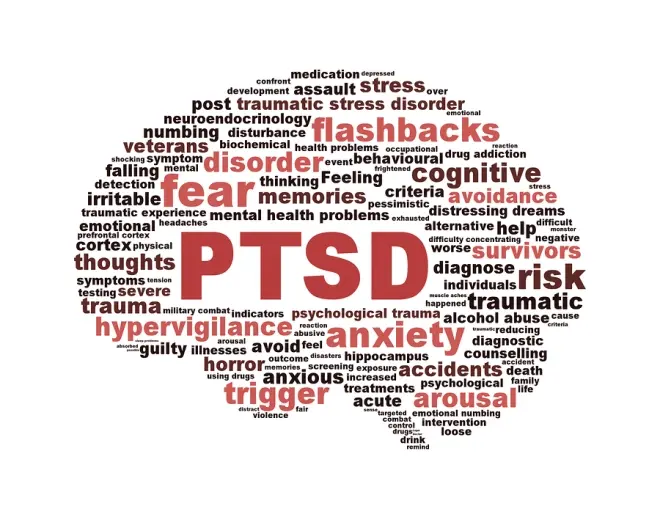
Post-Traumatic Stress Disorder, or PTSD, is a serious mental health condition that can develop after someone experiences or witnesses a traumatic event. While many people associate PTSD with soldiers or war veterans, the truth is that anyonecan be affected—survivors of abuse, accidents, natural disasters, violence, or other life-threatening situations.
PTSD doesn’t just go away with time. It can deeply affect a person’s emotional stability, relationships, and overall mental well-being if left untreated.
What Is PTSD?
PTSD is a psychiatric disorder that can occur after experiencing or witnessing a traumatic event. People with PTSD often relive the trauma through flashbacks, nightmares, or intrusive thoughts. They may feel intense anxiety, fear, or sadness even long after the event is over.
Symptoms of PTSD are usually grouped into four categories:
Intrusion – Repeated, unwanted memories, flashbacks, or nightmares
Avoidance – Staying away from reminders of the trauma, such as people, places, or situations
Negative changes in thoughts and mood – Feelings of guilt, shame, emotional numbness, or hopelessness
Hyperarousal – Being easily startled, feeling tense, having trouble sleeping, or being constantly on edge
How PTSD Affects Mental Health
PTSD can change the way a person sees themselves, the world, and the people around them. It can have a lasting impact on mental health in several ways:
1. Anxiety and Panic
People with PTSD often live in a heightened state of fear or stress. Even small triggers—like a sound, smell, or image—can cause intense anxiety or panic attacks.
2. Depression and Emotional Numbness
Many individuals with PTSD struggle with feelings of sadness, guilt, and detachment. They may lose interest in things they once enjoyed or feel disconnected from others, leading to isolation and depression.
3. Difficulty Trusting Others
After trauma, it can be hard to feel safe again. PTSD often makes people hyper-aware of danger, which can strain relationships and lead to withdrawal or distrust of even close friends and family.
4. Self-Esteem and Identity
Survivors of trauma may blame themselves or feel ashamed, even when they had no control over what happened. These feelings can damage self-worth and confidence.
5. Trouble With Focus and Sleep
Intrusive thoughts, nightmares, and constant alertness can make it hard to concentrate or get quality rest, which in turn worsens mood and mental functioning.
Co-Occurring Issues
PTSD often appears alongside other mental health challenges, such as:
Depression
Anxiety disorders
Substance use disorders
Suicidal thoughts or behaviours
These issues can complicate recovery and make it even more important to seek comprehensive care.
Treatment and Healing
While PTSD is challenging, it is treatable, and many people learn to manage symptoms and reclaim their lives. Some effective treatments include:
Trauma-focused therapy, such as Cognitive Processing Therapy (CPT) or Eye Movement Desensitization and Reprocessing (EMDR)
Medication, like antidepressants or anti-anxiety medications
Support groups, where individuals can share their experiences with others who understand
Mindfulness and grounding techniques, which help reduce stress and reconnect to the present moment
Recovery is a journey, and it looks different for everyone. But healing is possible—with time, support, and the right care.
Breaking the Silence
Many people with PTSD suffer in silence because of stigma or fear of being misunderstood. But mental health is just as important as physical health. Talking openly about PTSD helps break the shame and reminds survivors that they are not alone—and that they deserve to heal.
If you or someone you know is experiencing symptoms of PTSD, reaching out to a mental health professional is the first step toward recovery. Help is available, and healing is possible.
Comments